
Deep rock extraction utilizing mechanized narrow-vein and bulk mining methodologies. Precision operations in challenging geologies with comprehensive ground support and ventilation management.
Specialized extraction for orebodies less than 3 meters in width, requiring surgical precision to minimize waste dilution. Our mechanized approach utilizes single-boom and twin-boom electric hydraulic jumbos capable of drilling 45mm to 64mm blastholes in headings as narrow as 1.2 meters.
Ground support installs concurrently using mechanized bolters with resin-grouted rebars and mesh screen systems. Mucking operations employ 2-yard to 4-yard LHDs (Load-Haul-Dump units) with remote control capability, removing operators from unsupported ground.
Applications include high-grade gold-quartz veins, epithermal deposits, and steeply dipping base metal sulphides where selectivity is paramount to economic viability.
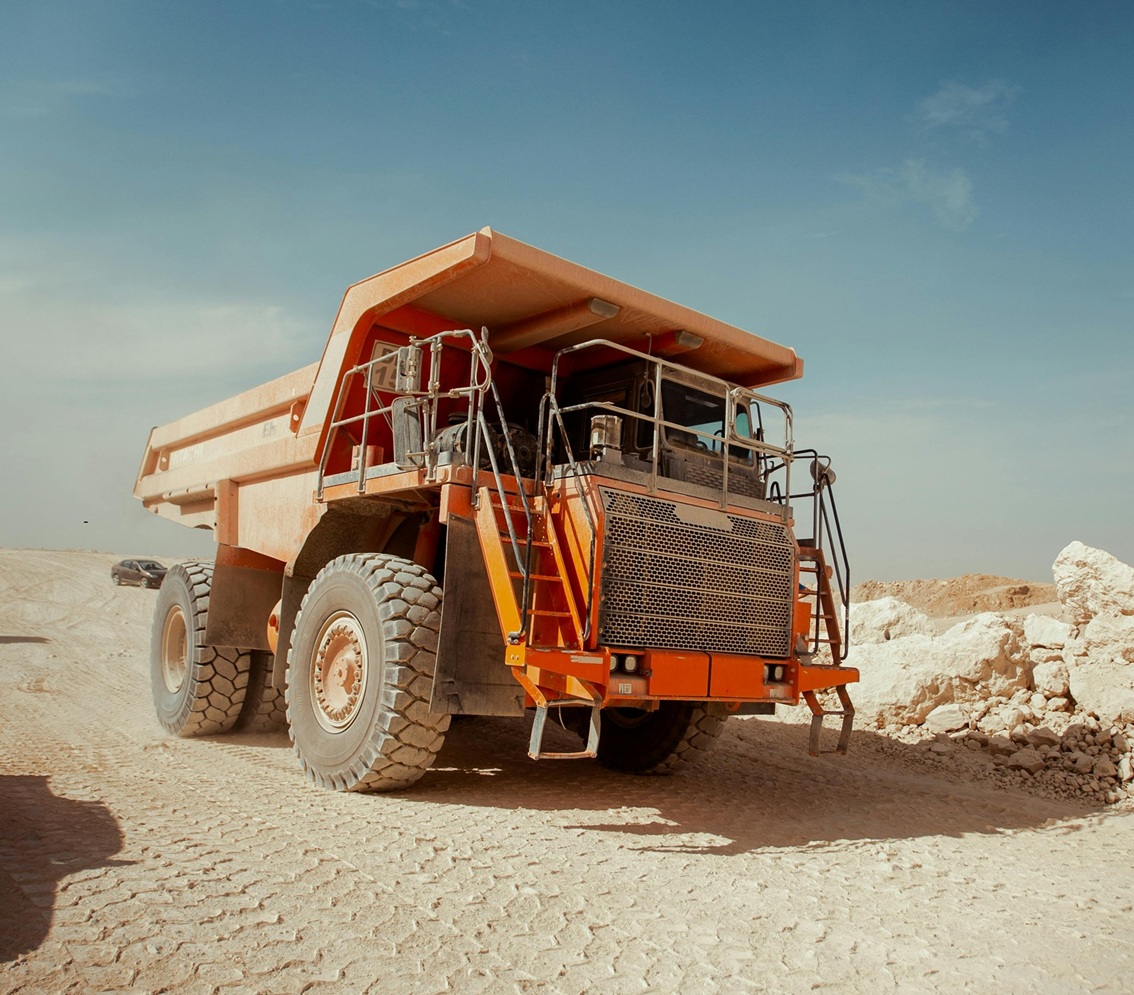
Massive mining method utilizing downhole drilling equipment to create large stopes with minimal development requirements. Stoping widths range from 4 meters to 20 meters, utilizing parallel blastholes up to 40 meters in length.
Ring drilling patterns are established from upper levels, with ore drawn from lower extraction levels. This vertical retreat mining minimizes personnel exposure while maximizing production rates of 500 to 1,500 tonnes per day per stope.
Cost-effective for steeply dipping, consistent orebodies where large-scale mechanized operations outweigh the capital costs of extensive development.
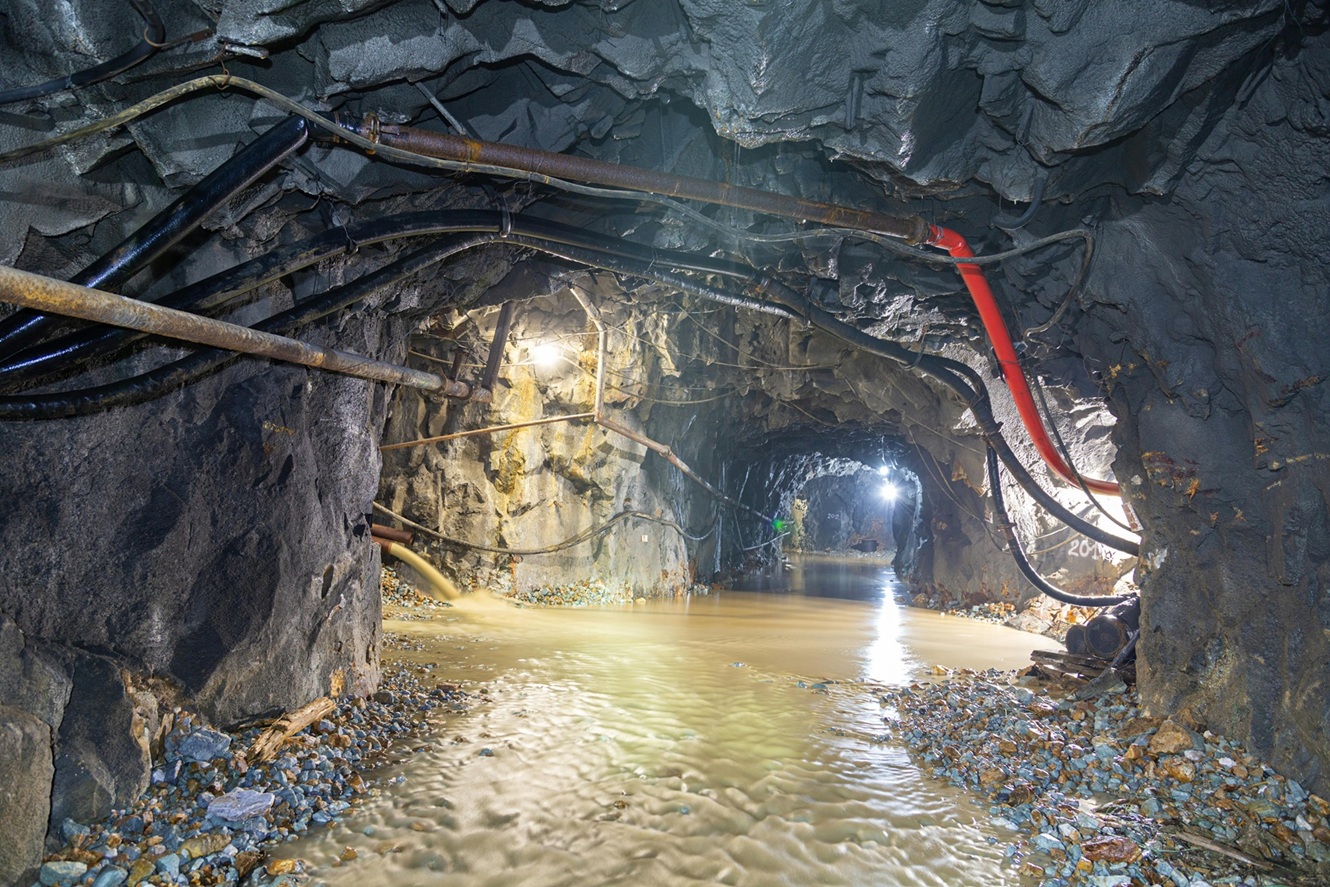
Flexible overhand mining suitable for irregular, steeply dipping orebodies where controlled extraction sequencing is required. Operations progress upward in horizontal slices (cuts) of 2.5 to 3 meters, with each cut backfilled to create the working floor for the subsequent lift.
Backfill systems utilize either pastefill (cemented aggregate slurry) or hydraulic fill with depository farms on surface. Fill retention is provided by paste walls or timber/steel bulkheads.
Ideal for high-grade, irregular deposits where maximum recovery takes precedence over bulk production rates.
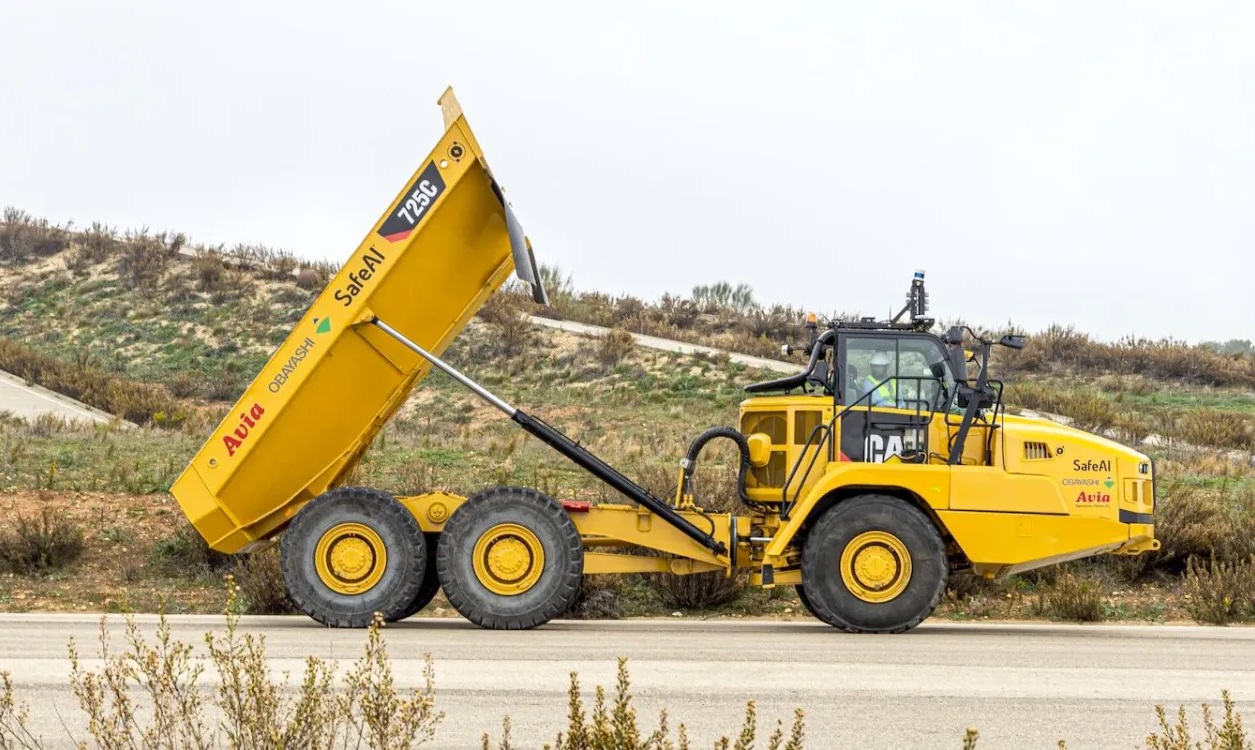
Horizontal mining methodology for flat-lying or gently dipping deposits, creating a grid pattern of excavated rooms (7m to 12m wide) separated by supportive pillars. Pillar size is calculated based on overburden depth and rock mass rating to ensure long-term stability.
Mechanized room-and-pillar utilizes continuous miners or drill-and-blast cycles with shuttle cars and feeder breakers. For harder formations, we employ remote-controlled surface drills with precisely timed blasts.
Suited for potash, limestone, coal, and stratiform base metal deposits where surface subsidence must be strictly controlled.
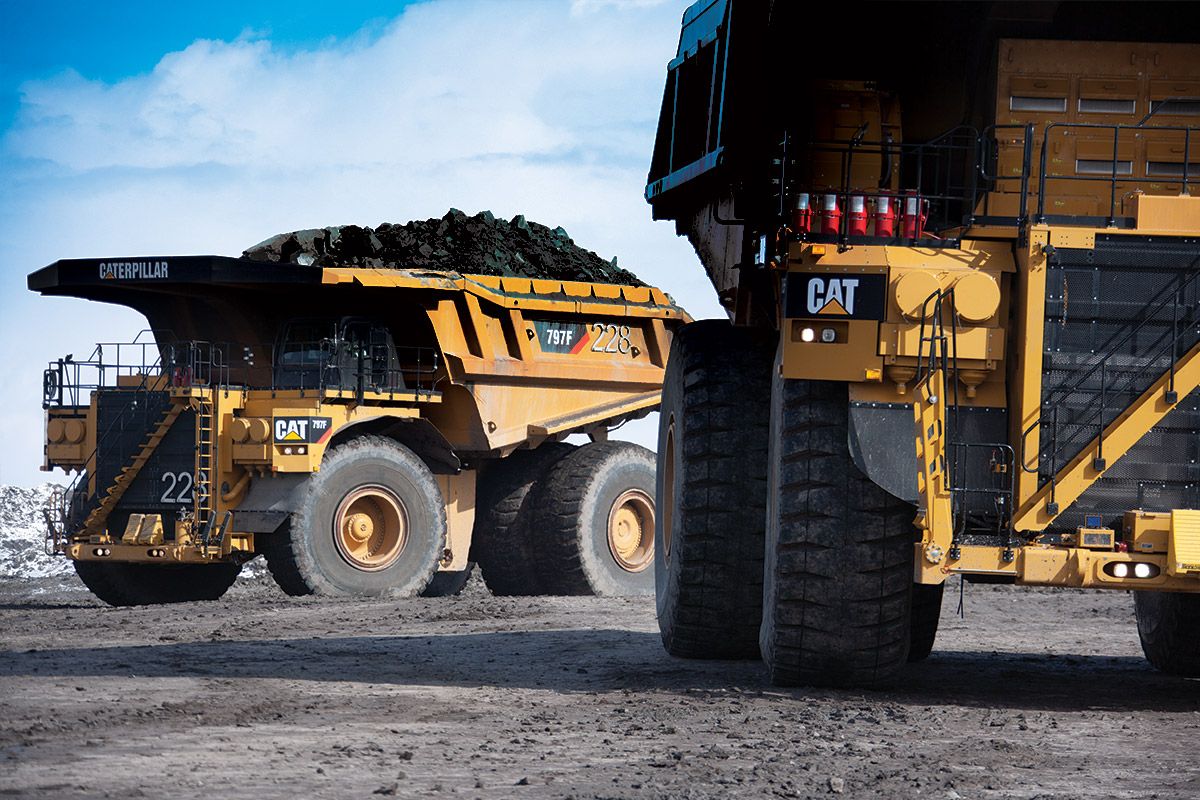
Overhand mining technique where broken ore remains in the stope to support walls while providing a working platform for subsequent lifts. Approximately 60% of broken ore supports wall stability during extraction; the remaining 40% is withdrawn from drawpoints at the stope base.
Miners drill blastholes upward from the broken ore cushion into the stope back. After blasting, the swell (volume expansion of broken rock) provides headroom for the next drilling cycle.
Applied to steep, narrow veins with competent walls where mechanized cut-and-fill is uneconomical, though less common due to safety considerations.
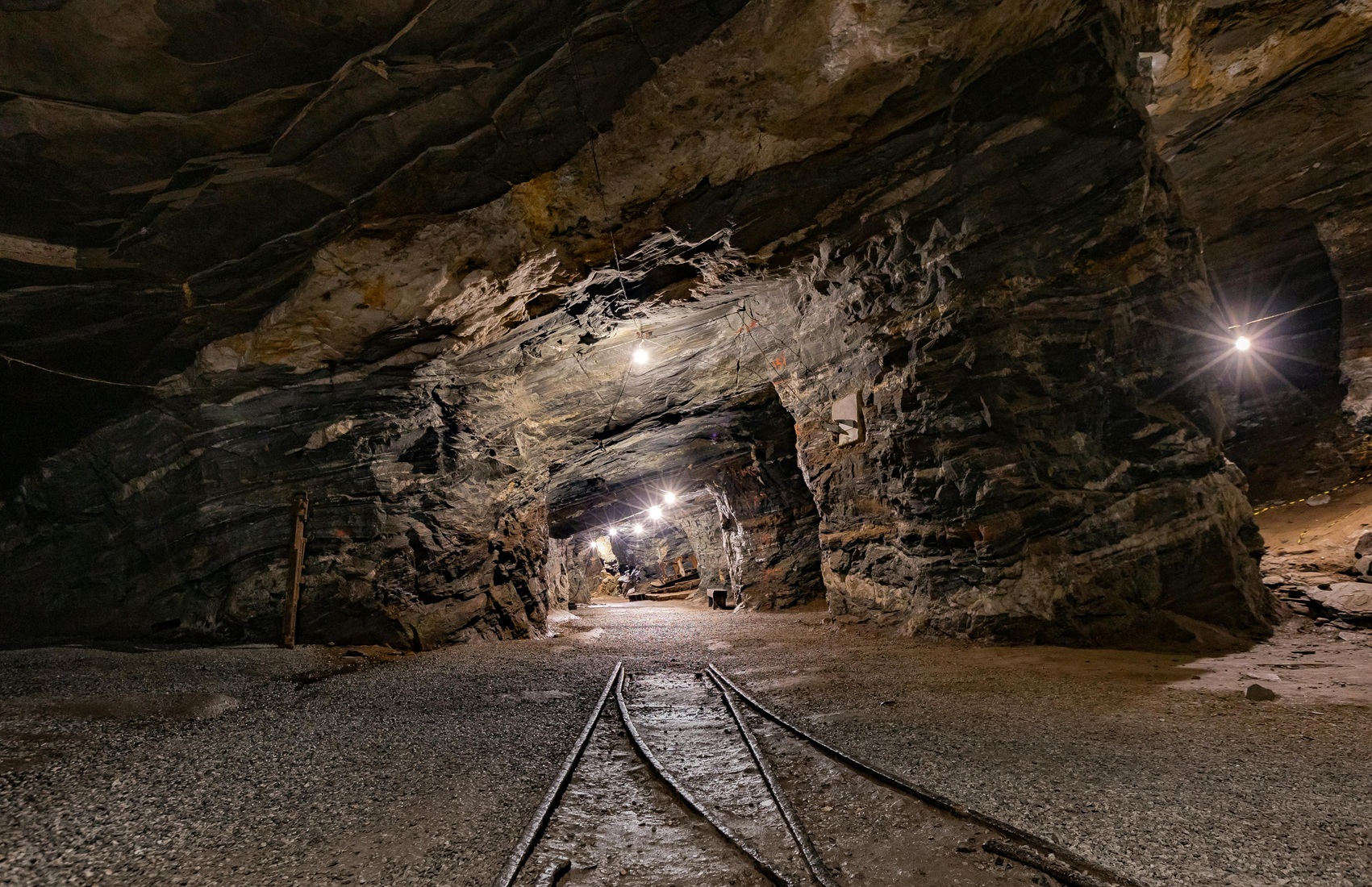
Highly mechanized bulk mining method utilizing large-diameter blastholes (165mm-270mm) drilled from upper levels downward. Cratering charges break successive vertical benches, with ore mucked from underlying extraction levels.
VCR eliminates the need for drilling within the stope, maximizing operator safety while achieving production rates exceeding 2,000 tonnes per day. Bench heights typically range from 3 to 5 meters.
Exclusively applied to massive, steeply dipping orebodies with consistent grade, where safety and productivity outweigh high capital drilling requirements.
Underground-specific machinery engineered for confined spaces and high-stress environments.
Electric
Twin-arm hydraulic drilling rig for development headings and production drilling with precision positioning.
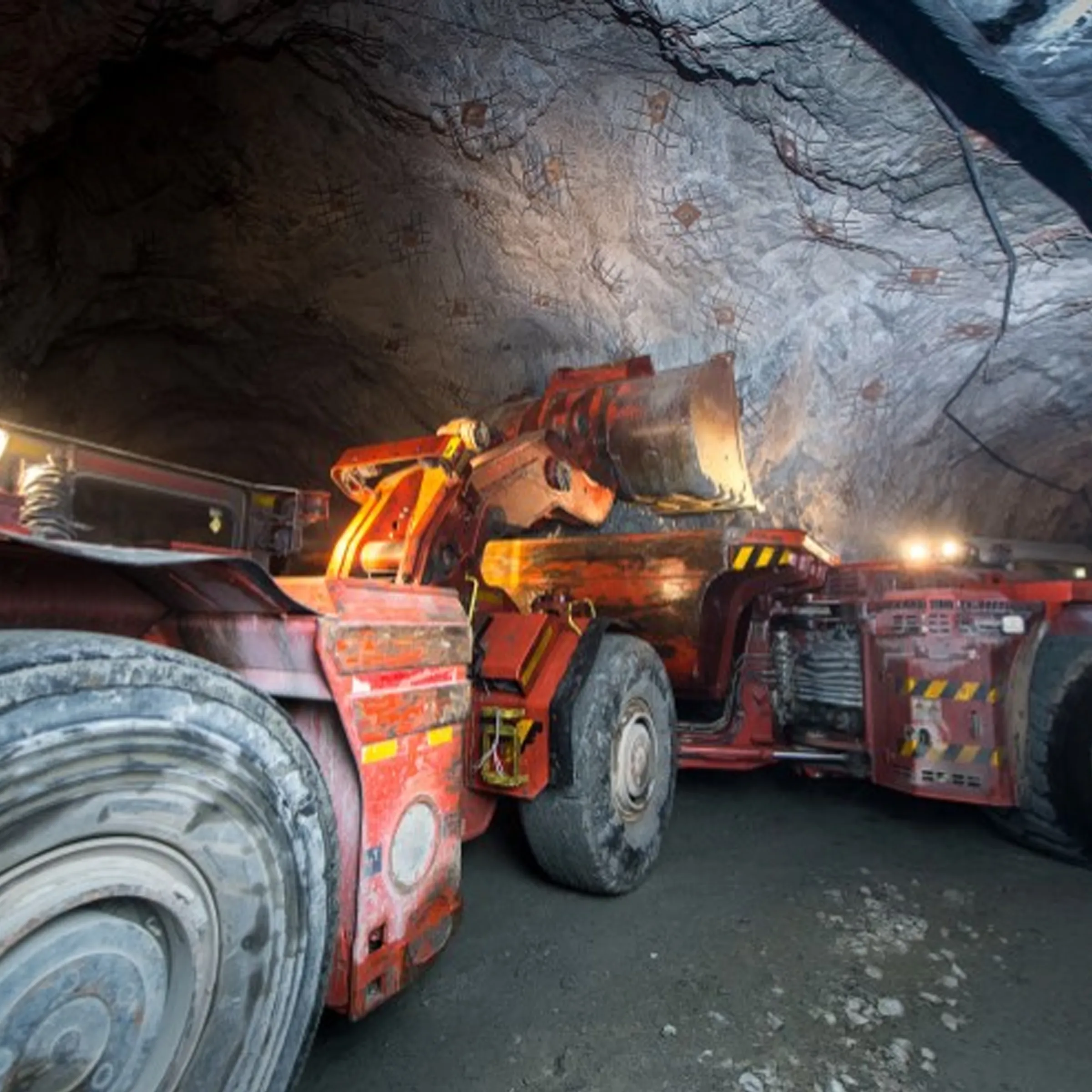 Diesel/Electric
Articulated underground loaders with remote operation capability for mucking in unsupported ground.
Robotic
Robotic spraying systems for rapid ground support application with consistent thickness and minimal rebound.
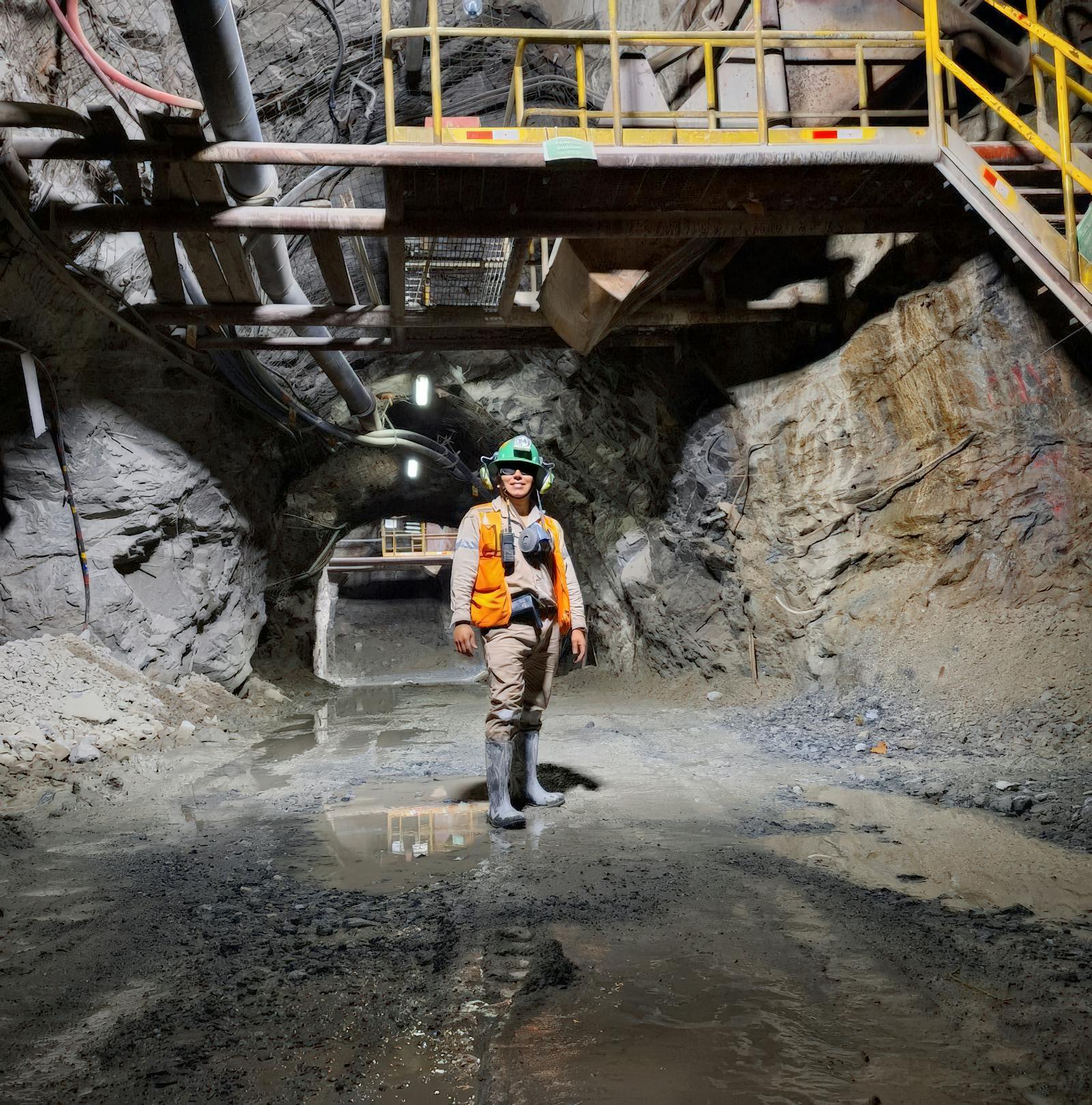
Immediate support installation protocols with retractable检视 platforms and mechanized bolters. Mandatory resin-grouted bolts within 1.5 tunnel diameters of the face.
Forced auxiliary ventilation with 0.25 m³/s per kW of diesel power minimum. Continuous methane and diesel particulate monitoring with automatic alarm systems.
Refuge chambers every 300 meters of development, stocked with 96 hours of breathable air, communications, and medical supplies. Dedicated rescue teams at every operation.
Leaky feeder radio systems providing 100% coverage, plus tracking tags for all personnel with real-time location monitoring in the control room.
Discuss your deep-rock extraction challenges with our technical team. We provide feasibility assessments, method selection analysis, and full operational mobilization.
Start Consultation